In the Fast-Paced World of Finance, Design Can Make the Difference Between Burnout and Breakthroughs


In the high-speed world of finance, milliseconds and micro-decisions matter. Yet peak performance depends on recovery as much as reaction time. Neuroscience shows that even brief moments of respite can restore working memory, sharpen focus and regulate stress responses—without slowing output. For today’s financial firms, the competitive edge lies in workplaces that balance intensity with recovery, creating environments that sustain both people and performance.
Below are five scalable design strategies to help financial firms hardwire resilience into their workplaces.
See More Clearly
Access to natural light and views is one of the simplest, most effective ways to reduce stress and fatigue. Research links daylight exposure to faster cognitive processing, improved alertness, and higher job satisfaction—critical advantages in high-pressure trading environments.


Natural Relief
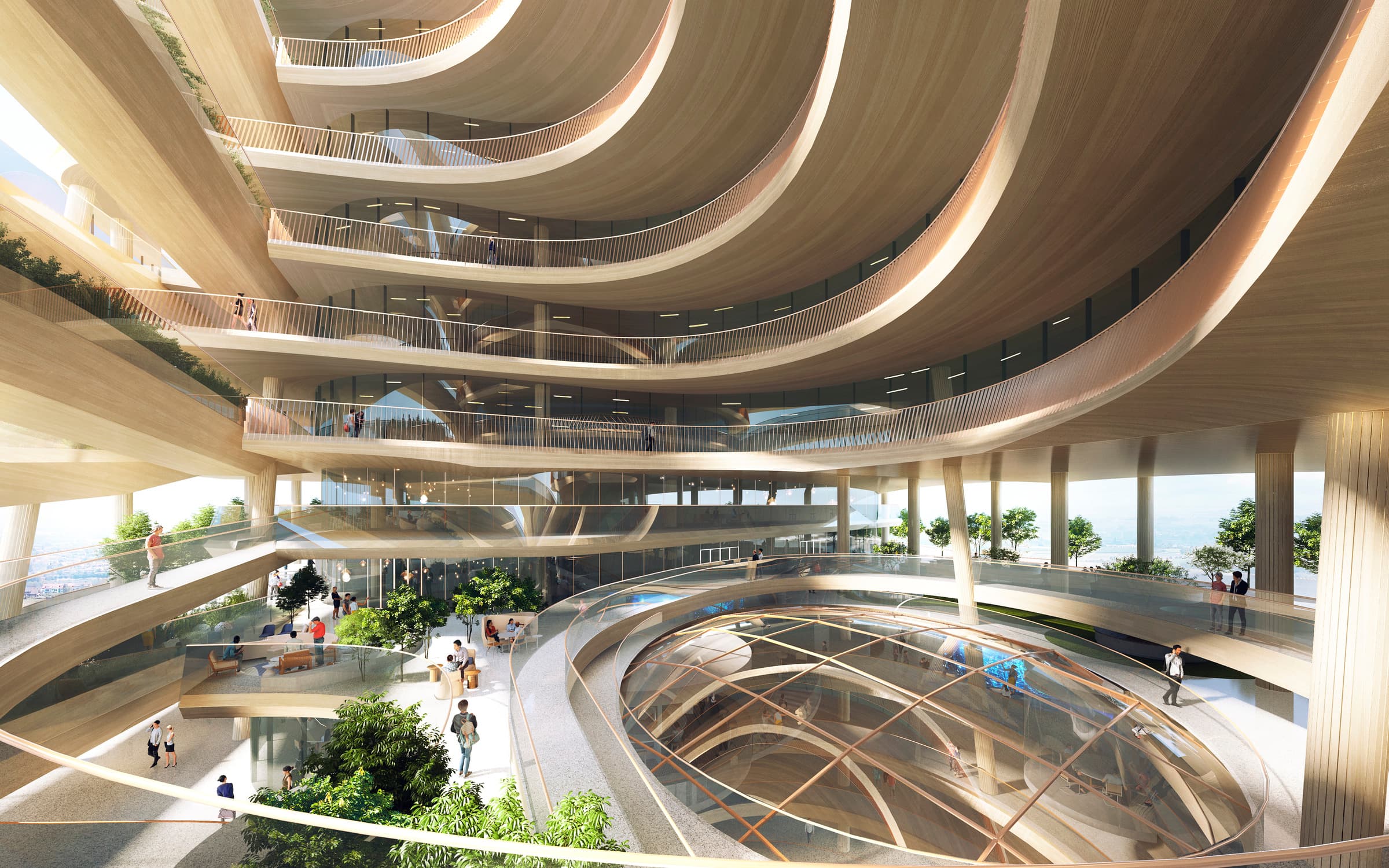
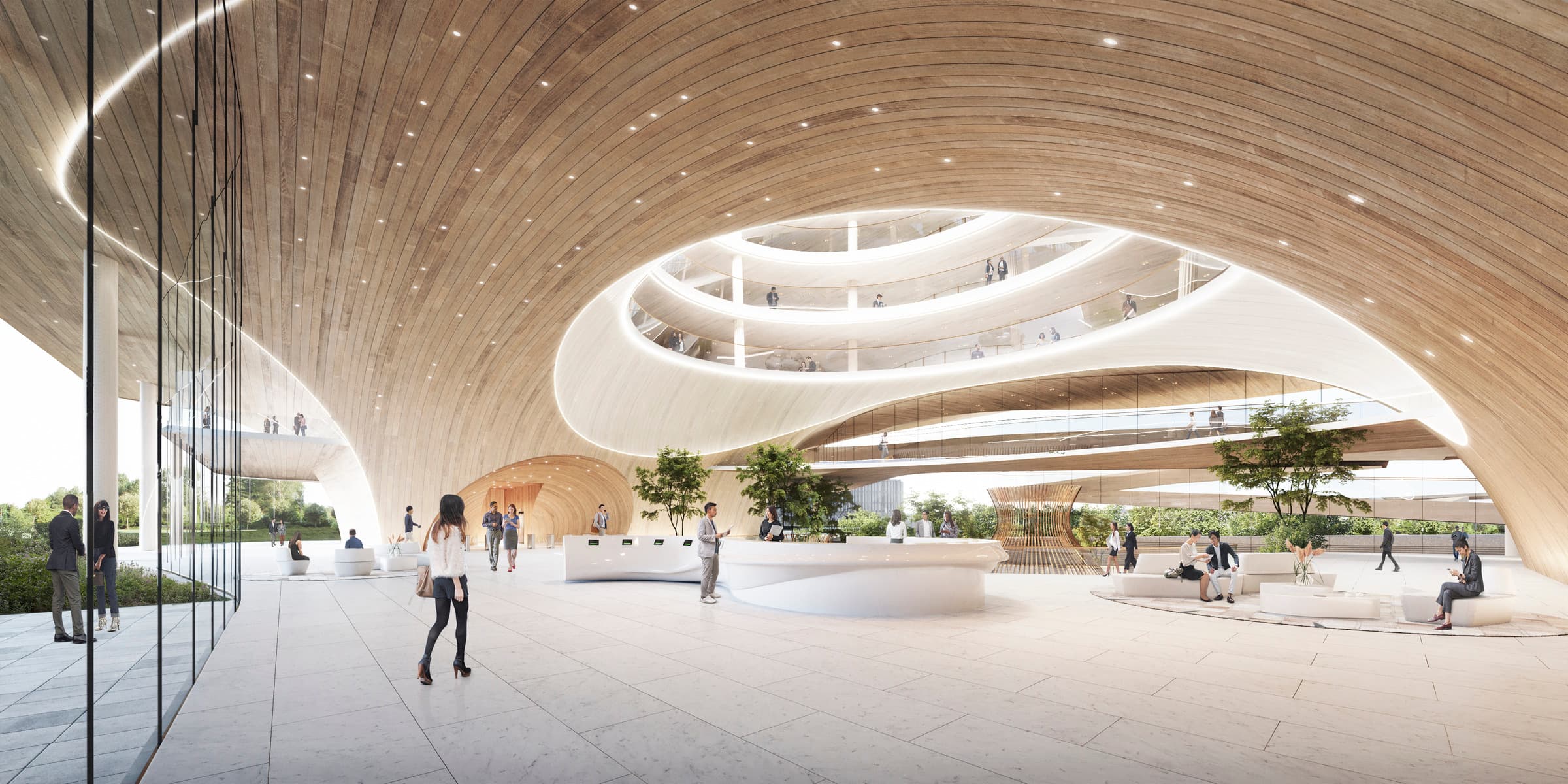
While daylight energizes, nature restores. At Hana’s Seoul Dealing Room, or trading floor, natural textures and material choices such as white oak and stone echo biophilic principles. Each level also features an “Energy Bar” that doubles as an indoor garden—space for coffee, food and informal decompression surrounded by greenery.

Designing Out the Noise
At BlackRock’s global headquarters in New York, careful attention to acoustics and glare—two of the most common stressors on trading floors—significantly improves traders’ focus and overall well-being.

Relief within Reach
In trading, every moment away from the desk risks missing a critical market movement—making visible access to respite all the more important. Research surfaced by NBBJ neuroscience Fellow Dr. John Medina underscores the importance of this visibility: simply knowing a space for respite exists can reduce stress—a concept known as the psychology of perceived control.

Recovery through Connection
With employees often working 60–80 hours a week, culture and connection are critical to resilience—especially as many firms return to a five-day workweek. At a confidential fintech firm’s New York headquarters, the design prioritizes connection and collaboration through social lounges, informal seating near meeting rooms and flexible all-hands areas—ensuring employees can recharge through interaction as much as through quiet retreat. Hana Bank’s Dealing Room also demonstrates how space can strengthen both community and recovery: its atriums and central spiral stair not only connect two trading floors, but also host events, lectures and exchanges with the broader financial community.

Respite is not a luxury—it’s a performance strategy. The next evolution of trading floor design goes beyond faster technology or denser screens to environments that balance intensity with recovery, weaving resilience into the fabric of daily work.
Yet design alone can’t carry the load. For respite to deliver real impact, culture must legitimize it: policies that treat breaks as performance-enhancing—not wasted time—unlock the full value of restorative spaces. When recovery is embedded in both design and culture, financial firms can sharpen focus, protect talent and sustain long-term advantage in one of the world’s most demanding professions.